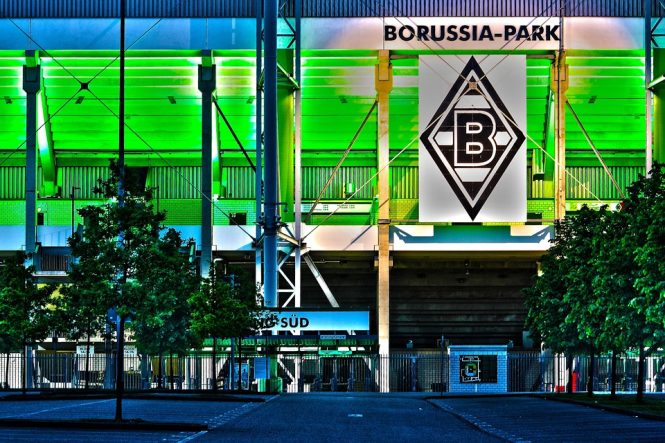
The world of football has undergone a significant transformation in recent years, with social media playing a pivotal role in revolutionizing the way fans engage with the sport. Gone are the days of limited access to information, where fans would rely on newspapers, radio, and television for updates on their favorite teams and players. Today, social media has bridged the gap between the stands and the screen, providing an unprecedented level of interaction and immersion for football enthusiasts.
The Rise of Social Media in Football
Social media platforms such as Twitter, Instagram, Facebook, and YouTube have become an integral part of the football landscape. Clubs, players, and leagues have embraced these platforms to connect with their fans, share exclusive content, and provide real-time updates. The numbers are staggering, with top clubs like Barcelona, Manchester United, and Liverpool boasting millions of followers across various social media platforms.
Breaking Down Barriers
Social media has broken down the barriers that once existed between fans and the game. Players can now share their thoughts, feelings, and experiences directly with their fans, providing a level of intimacy and access that was previously unimaginable. Fans can engage with their favorite players, ask questions, and even influence the narrative around the game. This two-way communication has fostered a sense of community and belonging among fans, who can now feel more connected to the game and its personalities.
The Power of Influencers
Social media has also given rise to a new breed of influencers in the football world. Pundits, bloggers, and vloggers have amassed significant followings, providing analysis, commentary, and opinion on the game. These influencers have become essential to the football ecosystem, offering fans a diverse range of perspectives and insights that complement traditional media outlets.
The Impact on Fan Culture
Social media has had a profound impact on fan culture, with fans now able to express themselves, share their passion, and connect with like-minded individuals from around the world. The emergence of fan-generated content, such as memes, GIFs, and videos, has added a new layer of creativity and humor to the football fandom experience. Fans can now showcase their allegiance, creativity, and humor, creating a vibrant and dynamic online community that reflects the diversity and energy of the game.
The Business of Social Media in Football
The commercial implications of social media in football are significant. Clubs and leagues can now monetize their social media presence, leveraging their massive followings to attract sponsors, partners, and advertisers. Social media has also enabled clubs to build their brand, promote their merchandise, and engage in e-commerce activities, generating new revenue streams and expanding their global reach.
The Future of Football Fandom
As social media continues to evolve, it’s likely that the football fandom experience will become even more immersive and interactive. The rise of virtual and augmented reality technologies, for example, will enable fans to experience the game in entirely new ways, such as virtual stadium tours, 360-degree match highlights, and interactive player interviews. Social media will play a critical role in shaping the future of football fandom, providing a platform for innovation, experimentation, and creativity.
Conclusion
The revolution of football fandom through social media is a testament to the power of technology to transform and enhance the fan experience. As social media continues to shape the way we engage with the game, it’s essential to recognize the opportunities and challenges that arise from this shift. By embracing social media and its many applications, football clubs, leagues, and fans can work together to create a more inclusive, interactive, and immersive experience that reflects the passion, energy, and excitement of the beautiful game. From the stands to the screen, social media has forever changed the way we experience football, and its impact will only continue to grow in the years to come.